When the Crowd’s Call Became Part of the Game
How organised crowd calls became part of sporting occasions: see how repetition and transmission turn a few shared words into collective memory.

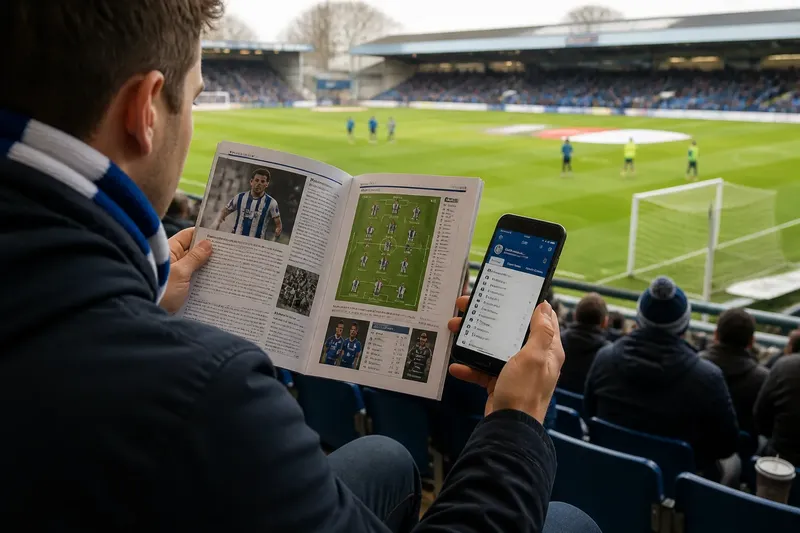
A crowd call becomes part of a game when people know not only what to say, but when to say it. The history of organised crowd calls is therefore a history of repetition and transmission: a phrase or tune is repeated until newcomers can join, then carried between generations, stands and sporting occasions.
That process is easy to overlook because the result can sound spontaneous. A chant rises, other voices answer, and the whole ground seems to speak together. Yet many familiar calls depend on learned cues: a pause in play, a drumbeat, a melody, a gesture from a leader, or the first words sung by a small group.
From voices to custom
People have called out at contests for as long as audiences have gathered to watch them. A cheer may praise a player, urge on a side or greet a dramatic moment. Such reactions can be collective without being organised. The distinction appears when a group repeats a recognisable sequence and others come to expect it.
Organisation does not necessarily mean a formal committee or written plan. It can begin with a few supporters using the same words at the same point in a match. A memorable rhythm makes the call easier to repeat. A simple response invites others in. If the pattern returns at later fixtures, a temporary outburst starts to feel like part of the occasion.
Early crowd calls need not have been identical across grounds or eras. Local speech, popular songs and the layout of a venue all shape what people can hear and echo. A short phrase may work well in a close stand, while a tune with a clear refrain can travel across a larger space. The crowd is not merely receiving a finished piece; it is adapting sound to the place.
Repetition makes a cue
Repetition gives a call its practical form. A leader starts a phrase; the rest of the crowd answers. Or a group sings a line together, leaving a gap for a refrain. Once the sequence is familiar, people can take part without rehearsing it or knowing who first began it.
The timing matters as much as the wording. A call might gather before play, return after a score, or fill a lull when attention is briefly unoccupied. Repeating it at a familiar moment teaches the crowd when to join. In time, the occasion itself acts as a cue: the opening of a fixture, a particular passage of play or the arrival of a team can bring the sound to mind.
These patterns also make room for variation. A crowd might stretch a syllable, alter a line or speed up the beat, while keeping enough of the original shape for others to recognise it. That balance lets a call feel both inherited and alive. Exact repetition preserves a common thread; small changes give present supporters a way to make it their own.
How calls travel
Transmission happens through people before it happens through archives. A child hears a call beside a parent or friend. A visitor learns it by watching the stand around them. Regular attendees pass it on through participation, often without explaining its history. The next person learns the cue by joining when everyone else does.
Printed song sheets, club publications and recordings can preserve words or melodies, but they cannot fully convey the social timing. A recording tells a listener what a call sounds like. A live crowd teaches when to begin, how loudly to sing and whether a response belongs to one section or the whole ground. Informal teaching fills the gap between written form and living custom.
Broadcasts and later digital recordings can carry calls beyond the venue. Someone who has never attended a match may recognise a tune from a television clip or a shared recording. That wider circulation can help a call travel to new audiences, though it may also detach the sound from its original setting. Listeners hear the words, but may not know what moment prompts them or who is expected to answer.
Imagine a first-time visitor at a local match hearing a short refrain after the home side takes the field. They notice a group in one stand start the line, then follow the crowd’s response on the next repetition. By the end of the visit, the visitor can join the refrain at the right moment. The observable change is not simply that they know the words; they have learned a small piece of the occasion’s shared timing.
What keeps a call recognisable?
Some features travel better than others. A compact phrase is easier to remember than a long verse. A steady beat helps separate words from the general noise of the ground. A melody already familiar to many listeners can lower the barrier to joining, while a repeated answer lets newcomers learn by listening before they sing.
These features are not a recipe for every crowd. Supporters may value a call precisely because it belongs to their own section or local tradition. A phrase with a particular accent, nickname or reference can carry meaning that disappears if it is treated as a generic chant. The call remains recognisable not only through sound, but through the people and circumstances that sustain it.
Its meaning can shift as well. A line first used to encourage a side may later become a greeting, a show of belonging or a tribute to supporters who are absent. Such changes do not erase the original use. They add layers that listeners learn through the call’s repeated appearances and the stories attached to them.
Why do crowd calls endure?
Do crowd calls begin spontaneously?
Some start as an unplanned shout or a borrowed tune, then become organised through repetition. A recognisable sequence is more likely to endure when others can answer it and connect it with a familiar moment.
How does a newcomer learn the words?
Most newcomers can listen for the repeated line, the pause or the group that starts the call. Joining on a later repetition is often easier than trying to catch every word at once.
Can a call change over time?
Yes. Supporters may adjust wording, rhythm or timing while preserving a feature that makes the call familiar. The shared response can continue even as its meaning grows or shifts.
Why do some calls disappear?
A call may fade if its cue is lost, its words stop making sense to new attendees, or the people who carry it no longer gather in the same way. A replacement can emerge when another phrase better fits the crowd and occasion.
Memory in the response
A crowd call holds memory in a form that can be performed. People need not know its full origin to recognise its place in a match. The sound recalls earlier occasions through a repeated rhythm, a familiar response or the feeling of being among others who know what comes next.
That memory is collective, but not uniform. Long-time supporters may remember older words or previous versions; newer fans may know only the current refrain. Both can take part in the same call, and their different memories meet in the present performance. A living tradition does not require every participant to carry the same story.
Organised crowd calls became recognisable parts of sporting occasions through this cycle: someone begins, others learn the pattern, and repeated use makes the cue familiar. Transmission then carries it beyond its first group, while adaptation keeps it connected to the people singing now. The next time a refrain gathers across a stand, listen for the pause before it begins. That small interval is where memory gives the crowd its cue.