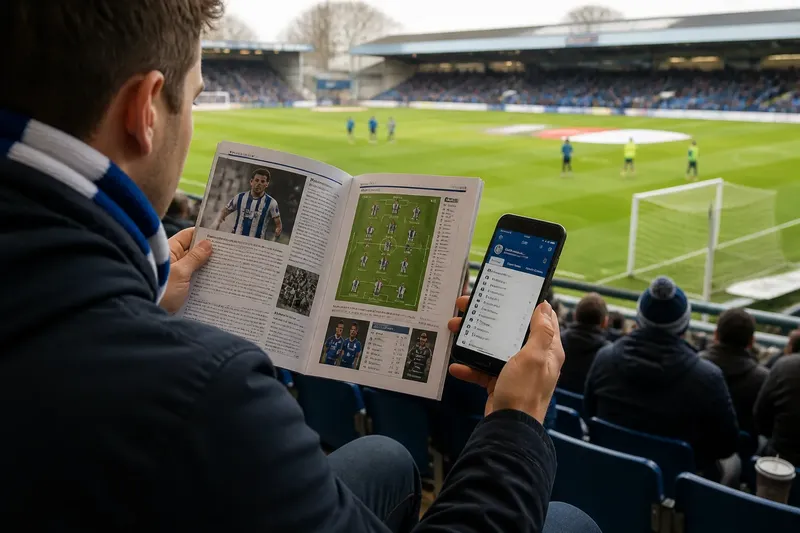
The Lucky Shirt Does Not Predict a Result
A lucky shirt can hold a private matchday memory without predicting the score. Learn how to keep the ritual meaningful and the result separate.

A lucky shirt can make matchday feel familiar, but it cannot tell you how the game will end. The meaning belongs to the person wearing it: a memory, a habit, or a small way to feel connected to a team before kick-off. Keeping that distinction clear lets the shirt matter without turning it into a forecast.
What the shirt carries
A shirt may gather several associations over time. Perhaps you wore it on a tense away day, watched a late equaliser in it, or received it from someone who taught you to follow the club. The fabric is ordinary; the memory attached to it is not.
That private meaning does not need to be defended as evidence. A fan can say, “I like wearing this for a big match,” without claiming it changes the players’ decisions or the final score. The first statement describes a personal ritual. The second makes a claim about cause and effect.
It can help to name the association precisely. “This is the shirt I wore when I watched my first match with my sister” says more than “This one brings luck.” The wording keeps the person, place, and occasion in view rather than giving the garment credit for the result.
Ritual without prediction
Fans often repeat small actions because they create a sense of continuity. You might hang a shirt over a chair, put it on while listening to the pre-match broadcast, or fold it beside your scarf before leaving home. Those actions can mark the shift from an ordinary day to a matchday.
A routine can shape your own attention and mood. It might help you settle into the evening or remember a friend who cannot watch with you. That is different from influencing what happens on the pitch. A useful boundary is simple: let the ritual prepare you to watch, not tell you what to expect.
Imagine you wore a blue shirt while watching a memorable win at home. Before the next match, you choose it again because the familiar colour brings that evening to mind. If the team loses, the memory remains intact; the shirt did not cause either result. You can keep wearing it because it connects you to that earlier occasion, not because it owes you another win.
Why patterns feel persuasive
A win after a familiar routine is easy to notice. A routine followed by a quiet draw or defeat may be less vivid, especially when the match itself supplies plenty to remember. That uneven attention can make a personal pattern feel stronger than it is.
There is also a simple pleasure in linking two things that occur together: a particular shirt and a good afternoon, a scarf and a dramatic finish. The connection can be emotionally real without being a causal one. Enjoying the association does not require treating coincidence as evidence.
When the result is disappointing, try describing what actually happened in separate terms: “I wore the old shirt; the team lost; I still liked having it on.” This does not diminish the match or the garment. It stops one result from rewriting the role the shirt plays in your own story.
Keeping the ritual comfortable
A private routine should remain a choice, not a test you have to pass. If you are away from home, the shirt is in the wash, or the weather makes another layer more sensible, you can adapt. The ritual’s meaning need not depend on exact repetition.
- Keep the association personal. Note the memory the shirt brings back, rather than crediting it with a score.
- Leave room for change. Wear another shirt when practical; a different choice does not cancel your connection to the team.
- Notice the feeling, not a forecast. Ask whether the routine helps you feel settled, cheerful, or connected.
- Make it easy to share. If someone asks about the shirt, tell the story behind it instead of presenting it as a rule for success.
- Let the match be unpredictable. The players, opponents, and circumstances determine the contest; your clothing is part of your day as a supporter.
These are not rules for every fan. Some supporters enjoy playful superstition and talk about a “lucky” shirt with a wink. The useful distinction is whether the language stays light or begins to make you anxious, blame yourself, or feel unable to watch without a particular object.
Questions about lucky shirts?
Can a lucky shirt affect a match result?
There is no sound reason to treat a fan’s shirt as a cause of the result. A player’s performance and the events of the game are separate from what a supporter wears in the stands or at home.
Why do fans keep wearing the same shirt?
A familiar shirt can recall a person, match, or period of life, and wearing it can become part of a comfortable matchday routine. The appeal may be the memory and anticipation, not a belief that the garment controls the outcome.
What if I feel uneasy without it?
Try identifying what the shirt represents and choose another small matchday habit that carries the same personal meaning, such as setting out a scarf or messaging a friend. If the anxiety becomes difficult to manage or affects daily life, consider speaking with a qualified mental health professional.
How should I explain the shirt to someone else?
Tell them the story attached to it: who gave it to you, where you wore it, or why you chose it for a particular occasion. Calling it lucky can be a playful shorthand, but you can also clarify that the match result is not in its hands.
A memory to wear
The lucky shirt is most compelling as a keepsake you can put on. Its value lies in what it brings back: a shared room, a familiar voice, the anticipation before kick-off, or the way a club has become part of your routine. The result will remain uncertain. That uncertainty is no reason to surrender the memory to superstition—or to stop wearing a shirt that makes matchday feel like yours.